Video Games

Technical Spikes vs MVP

Oliver Brown
— This upcoming video may not be available to view yet.
Interacting with this video is done so under the Terms of Service of YouTube
View this video directly on YouTube

In software development (and product development in general) is a concept called MVP or Minimal Viable Product. According to Wikipedia it is “a product with just enough features to gather validated learning about the product and its continued development”.

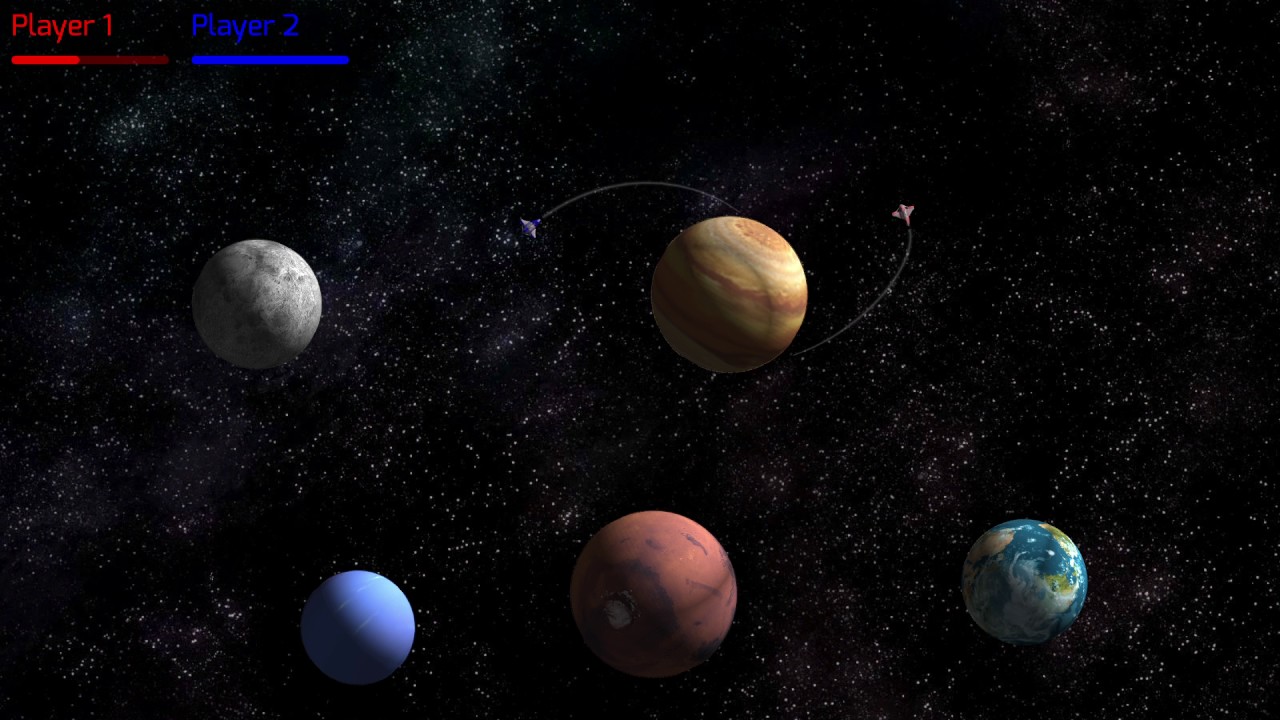
My plan was to develop a Gravitas MVP in Unity and release it as quickly as possible. After reading a bit about some of the cool things I can do with Unity quite easily that would have been hard before, I inevitably got distracted. But it’s okay, since technical spikes are also an accepted part of software development (again thanks to Wikipedia: “a product-testing method that is used to determine how much work will be required to solve or work around a software issue”).

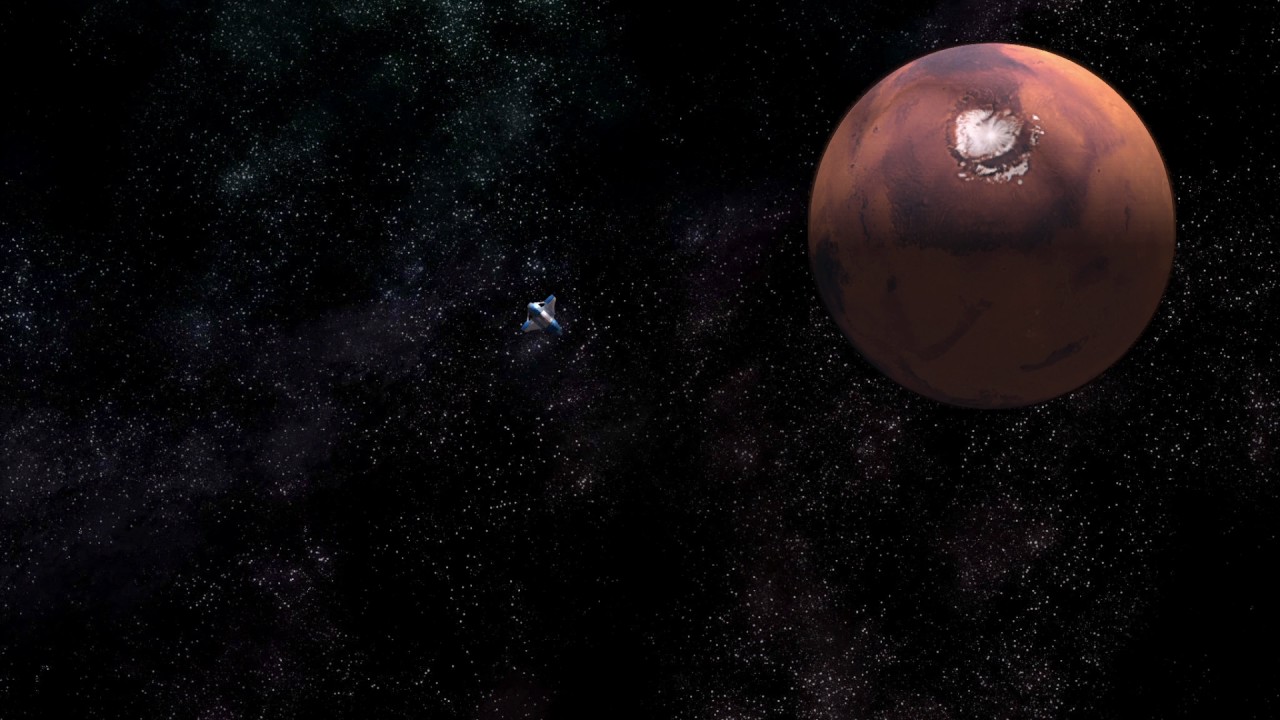
Specifically, one of the things I wanted to do in Gravitas was add a real lighting model, probably using normal mapping on the sprites. I had read up how to do this in MonoGame, but decided to see how quickly I could do it in Unity. The answer was about 2 hours. That includes the time to create the normal map for the ship (and finding a tool to help do that).

The tool I used incidentally is Sprite Illuminator from a company called CodeAndWeb. If you plan to do any 2D games I suggest you check them out. Their tools all come with trials, and the only reason I haven’t bought it is yet, is I’m deciding which bundle to get (I’ve already used Sprite Illuminator and I’ll almost certainly use Texture Packer. Physics Editor is probably less useful to me, but is only £10 extra with the other two).

Embracing Unity

Oliver Brown
— This upcoming video may not be available to view yet.

Interacting with this video is done so under the Terms of Service of YouTube
View this video directly on YouTube
For a long time, I’ve avoided Unity. The biggest reason was inertia from working with MonoGame, but I was also put off by the prospect of old versions of Mono and C# as well as being generally suspicious of development being so “editor focused” (I’ve tried quite a few drag-and-drop game development tools and ultimately found them frustrating).

But I’ve decided to get over it and have a go.

The number of amazing games released that have been made with Unity has persuaded me the last point is not an issue (or perhaps no longer an issue). More importantly, there have been a few specific recent developments that have piqued my interest.

Unity joined the .NET Foundation. Unity’s .NET support always worried me a little. Using old versions of Mono and C# was bad, and their support for JavaScript made me a little worried they might just drop C# altogether. This is obviously not going to happen now (at least in the near future).

Related to the previous point (but more to do with Mono being released under a permissive license) is that they really are pushing forward with an updated version of .NET.

The final reason is the discovery that Distinctive Games, a mobile game developer I used to work for have decided to use Unity for (at least) one of their upcoming games, Downhill Extreme 2.

The net result of this is that I have started working on another version of Gravitas in Unity. And after about half an hour I have a star field, and a ship (with a colorizable section) that rotates when you press left and right.

Gravitas has been released!

Oliver Brown
— This upcoming video may not be available to view yet.

Gravitas
Gravitas is now available on the Xbox Live Marketplace for 80 MS points.

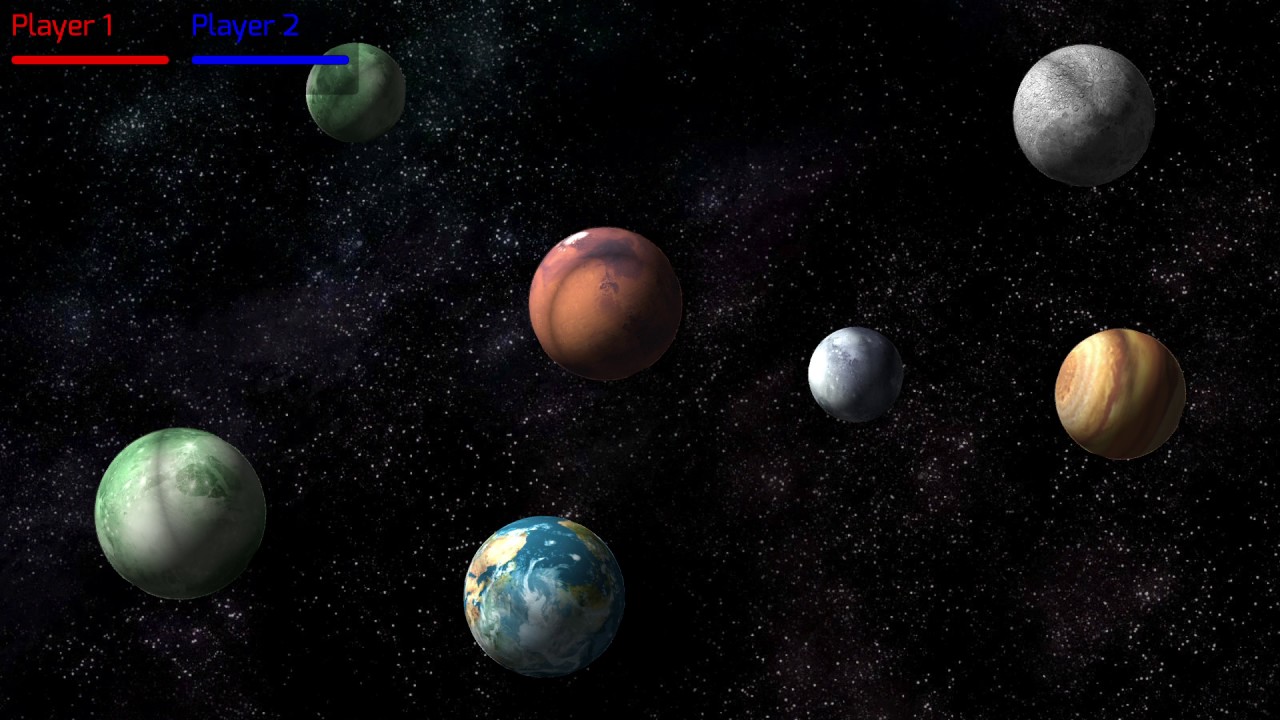
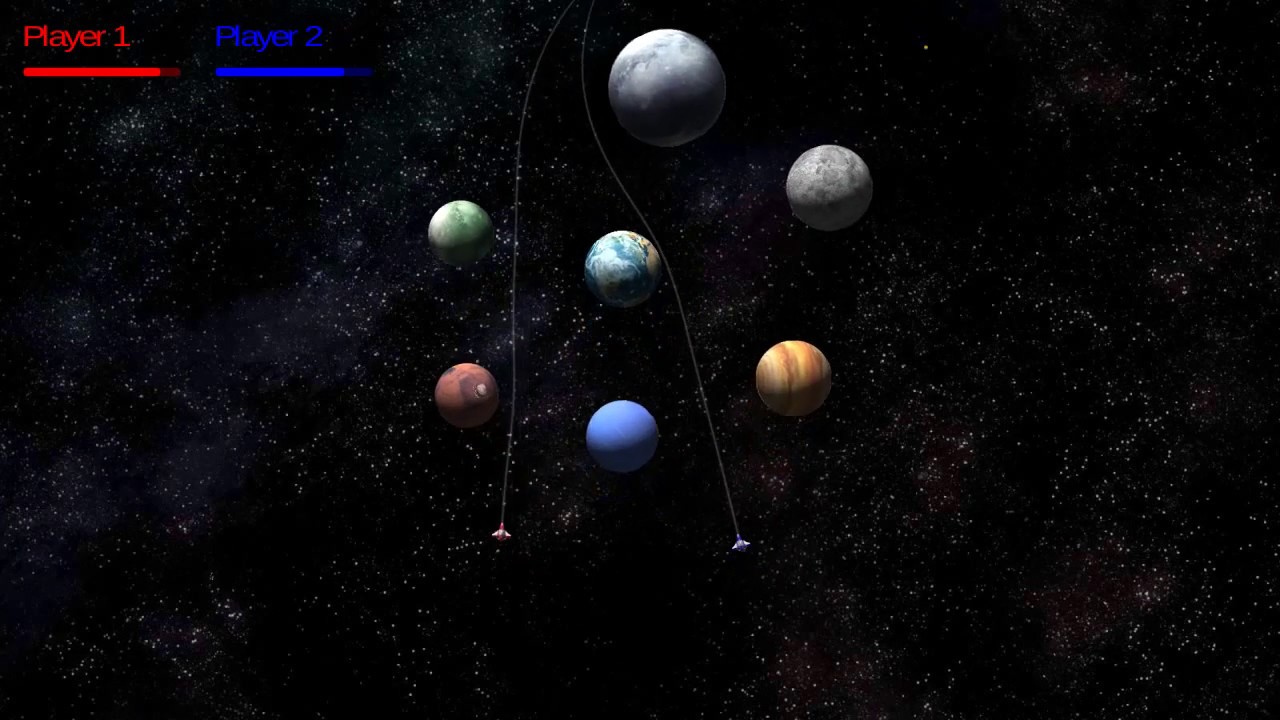
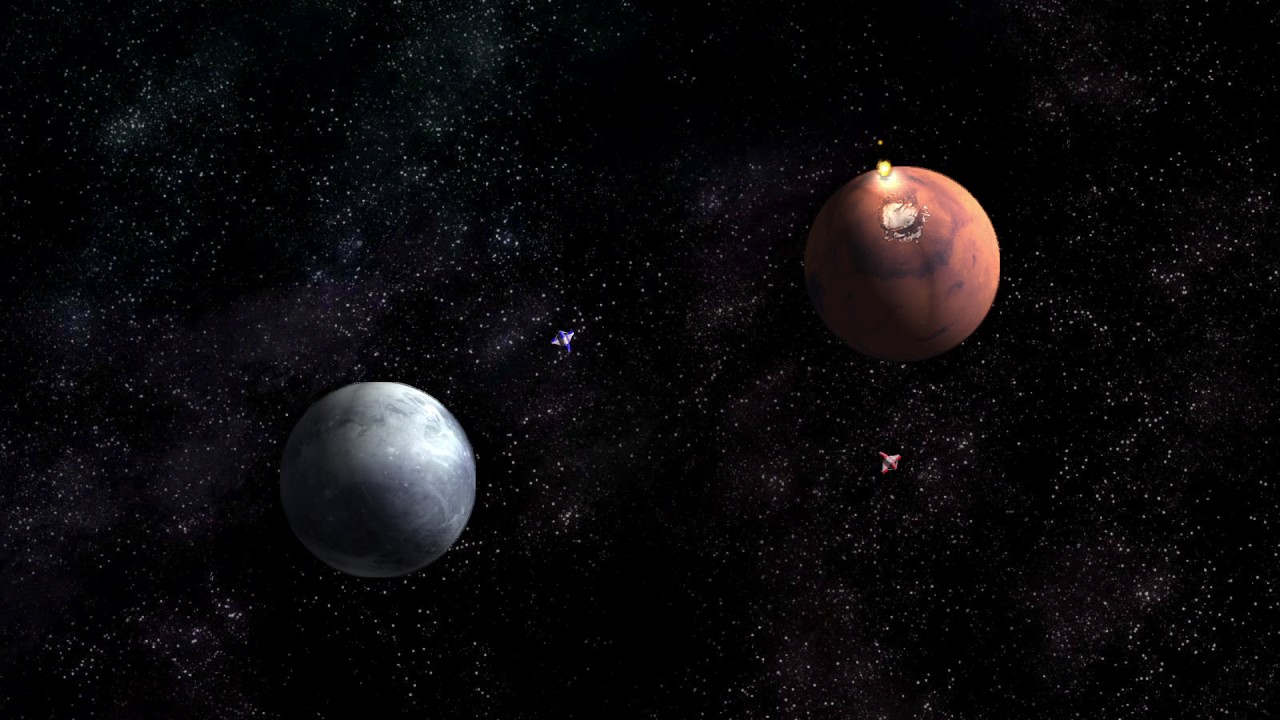
An artillery game, somewhat akin to scorched earth, but in 2D, set in space and featuring different planets with gravity you have to slingshot your shots around. Primarily a multiplayer game supporting four local players it’s excellent for parties and an absolute bargain for $1.

Although I may have a slightly biased opinion.

Cardassian Galor class cruiser

Oliver Brown
— This upcoming video may not be available to view yet.

Star Trek Online recently gained a new loot drop that has been generating strong opinions, a Cardassian Lock Box. Inside each lock box is a random item. Possible items include a special tribble, some special team commodities, some cross faction consoles, a DS9 uniform set, or a few others. On the whole people aren’t interested in those, the only item they actually want is the Cardassian Galor class cruiser.

The actual odds of getting a cruiser are unpublished but assumed to be very low, possibly in the 0.5% range. This wouldn’t be very interesting in itself without one final piece to the puzzle: you require a “Master Key” to open the box and the keys have to be bought on the C-Store for real money. They cost 100 c-points each, or 10 for 900, making them £0.72 each (I think).

Many people have complained about this, and with some justification. My post isn’t really going to touch on that. Instead I’m going to reveal that I got one, and without spending any money on keys. You see, the ship is tradable via the exchange for normal in game energy credits. When it first launched prices were around 500 million. In three days they were down to 100 million. I snagged one for 82 million.

This amount of in game cash is not a small amount by any means. In fact when I bought it, 82 million was the most I’ve ever had at once, but at level cap there is very little else to spend energy credits on. There are also a couple of ways to earn a lot quickly. The first is Ker’rat. It’s a space warzone in Eta Eridani that features the Federation fighting the Klingons while simultaneously trying to complete some Borg related objectives. If you can win the warzone you get a very rare drop. If you’re second or third you get a rare drop. If you’re at max level the drop will be at least MK X, sometimes even MK XII. Also, all the ships you destroy drop loot in the MK X to XII range. The second way is STFs. Most STF runs on normal succeed with the optional these days. They also drop quite a bit of loot now (especially Cure). Between those two methods you should be able to amass your millions with relative ease (I had 40 million when the Galor was first released and reached 82 million in a week). Also, as an extra bonus, Ker’rat has a wrapper mission that gives you 1440 dilithium for every three completions (and is not a daily so you can just keep running it).

So with all that information aside, here’s a couple of pictures of the Galor in an STF:

Gravitas in final review

Oliver Brown
— This upcoming video may not be available to view yet.

It’s been a while since I reported that Gravitas was in final play testing. To be honest the process didn’t actually take that long, I just became busy in the meantime. But I have now finally submitted Gravitas for peer review and it’s currently marked as “60% complete”. Based on what I’ve seen of other games as a reviewer that means it should be a few days before it’s eligible for release.

Over the past couple of weeks I’ve been some work not related to the release. Firstly, the game now runs successfully on a Mac thanks to MonoGame which I hope will lead to a Mac App Store release. Secondly, I’ve been cleaning up the code (mainly separating out anything that isn’t Gravitas specific in preparation for beginning my second game, which for the moment I’m going to keep quite about.

To keep up to date on that and any other Gravitas news, visit Gravitas on Google+.